Introduction
Searching for first time home buyer loans can feel like navigating a maze blindfolded. With hundreds of programs available across federal, state, and local levels, how do you know which ones you actually qualify for—and more importantly, which ones will save you the most money?
The truth is, the best loan program for a first-time buyer in Texas looks completely different from the ideal option for someone in Massachusetts or Oregon. Regional housing costs, state-specific assistance programs, and local economic factors all play crucial roles in determining which mortgage path makes the most financial sense for your situation.
This comprehensive guide serves as your personal loan matchmaker. We'll walk you through every major loan type available to first-time buyers, break down state-specific programs you might not know exist, and give you a clear framework for identifying the perfect mortgage match based on your location, income, and financial profile. By the end, you'll have the knowledge to confidently pursue the loan program that offers you the greatest advantages.

Photo by Matijn Palings on Unsplash
What Are First Time Home Buyer Loans?
First time home buyer loans are mortgage products and assistance programs specifically designed to help people purchase their first home. These programs recognize that first-time buyers face unique challenges—limited savings for down payments, shorter credit histories, and unfamiliarity with the mortgage process—and offer solutions tailored to these obstacles.
What many buyers don't realize is that "first-time buyer" has a broader definition than you might expect. According to HUD guidelines, you're considered a first-time buyer if you haven't owned a principal residence in the past three years. This means even if you owned a home a decade ago, you may still qualify for first-time buyer benefits today.
First time home buyer loans fall into several categories:
-
FHA, VA, and USDA loans insured or guaranteed by federal agencies, offering lower down payments and more flexible qualification requirements
-
Programs like Fannie Mae's HomeReady and Freddie Mac's Home Possible that offer competitive rates for qualified first-time buyers
-
Each state offers unique programs through their housing finance authority, often including below-market interest rates and down payment assistance
-
City and county-level programs that provide grants, forgivable loans, or tax credits for buying in specific areas
-
Benefits offered by some employers, particularly in high-cost areas, to help employees purchase homes
The key distinction between these programs lies in their eligibility requirements, geographic restrictions, and the specific benefits they offer. A government-backed FHA loan is available nationwide with consistent requirements, while a state HFA program might offer better terms but only within that state's borders. Understanding this landscape is the first step toward finding your ideal match.
Why Regional Loan Matching Matters
Choosing a first-time buyer loan isn't a one-size-fits-all decision. The regional factors affecting your home purchase are significant, and ignoring them could cost you thousands of dollars or cause you to miss out on programs perfectly suited to your situation.
Consider this: the median home price in San Francisco is over $1.2 million, while in Cleveland it's under $200,000. A loan program that works brilliantly in Ohio might be completely impractical in California. Similarly, down payment assistance that covers 5% of a home's value provides vastly different dollar amounts depending on your local market.
Regional loan matching matters for several critical reasons:
Housing market dynamics vary dramatically. In competitive markets like Seattle or Austin, you need loan programs that allow you to make strong offers quickly. In buyer's markets, you might prioritize programs offering the lowest possible costs over speed.
Income limits are location-based. Most assistance programs set income limits based on Area Median Income (AMI). A household earning $90,000 might exceed limits in rural Kansas but easily qualify in the New York metro area.
Property eligibility differs by region. USDA loans offer zero-down financing but only in designated rural areas. Some state programs target specific neighborhoods for revitalization efforts.
Local economic incentives exist. Many cities offer special programs for teachers, healthcare workers, first responders, or other professionals they're trying to attract. These hyper-local benefits can provide substantial savings if you qualify.
I've seen buyers leave $15,000 or more on the table simply because they didn't know about state and local programs available in their area. The right regional match can be the difference between affording your dream home and settling for less.
How to Match Your Profile to the Right Loan Program
Finding your ideal first-time buyer loan requires a systematic approach that considers your financial profile, location, and homeownership goals. Follow this step-by-step process to identify the programs that offer you the greatest advantages.
Step 1: Assess Your Financial Foundation
Before exploring specific programs, gather a clear picture of your current financial situation:
- Credit score: Pull your reports from AnnualCreditReport.com to see where you stand. Scores above 740 open the most doors, but many programs accept scores as low as 500-580.
- Debt-to-income ratio (DTI): Calculate your monthly debt payments divided by gross monthly income. Most programs prefer DTI below 43%, though some allow higher.
- Savings available: Tally your liquid assets for down payment and closing costs. Include any gift funds you expect from family.
- Income stability: Document your employment history. Most lenders want two years of steady income in the same field.
Step 2: Determine Your Regional Market Type
Your local housing market falls into one of several categories, each favoring different loan strategies:
High-cost urban markets (San Francisco, New York, Boston, Los Angeles): Focus on conforming loan limits, state HFA programs with higher income caps, and employer assistance programs. FHA loans may hit their limits quickly here.
Moderate suburban markets (Phoenix, Atlanta, Denver, Charlotte): You'll have the widest range of options. Compare conventional, FHA, and state programs carefully—small rate differences matter most in this tier.
Affordable urban markets (Cleveland, Detroit, Pittsburgh, Memphis): State and local revitalization programs often provide exceptional benefits here. USDA loans may apply in surrounding areas.
Rural markets: USDA loans should be your first consideration, offering zero-down financing. State agricultural worker programs may apply if relevant to your profession.
Step 3: Identify Your Eligibility Categories
Beyond basic first-time buyer status, you may qualify for specialized programs based on:
- Military service: VA loans offer zero down payment and no PMI for veterans, active duty, and eligible surviving spouses
- Profession: Teacher, healthcare worker, first responder, and public servant programs exist in many states
- Income level: Low-to-moderate income programs often provide the most generous assistance
- Purchase location: Targeted area programs incentivize buying in specific neighborhoods
- Native American heritage: Section 184 loans offer special terms for tribal members
Step 4: Research Your State's HFA Programs
Every state housing finance agency offers programs specifically for first-time buyers. Visit your state's HFA website to explore:
- Below-market interest rate mortgages
- Down payment assistance grants (free money that doesn't require repayment)
- Down payment assistance second mortgages (often forgivable after 5-10 years)
- Mortgage credit certificates (MCCs) providing annual tax credits
- Combined programs that stack multiple benefits
Step 5: Compare and Stack Your Options
The most successful first-time buyers don't choose just one program—they stack compatible benefits. For example:
- FHA loan (3.5% down) + state DPA grant (3% of purchase price) + MCC (tax credit) = minimal out-of-pocket costs plus ongoing tax savings
- Conventional loan + employer assistance + city first-time buyer grant = competitive offer strength with reduced costs
Work with a lender experienced in your state's programs to identify the most advantageous combinations available to you.
-
Know your starting point before comparing programs
-
Total monthly debts divided by gross monthly income
-
Include savings, investments, and expected gift funds
-
Find at your state's housing finance agency homepage
-
Available at the USDA's eligibility site
-
Search for teacher, healthcare, or first responder programs in your state
-
Look for lenders approved to offer state HFA loans
Federal Loan Programs: Your Foundation Options
Federal loan programs form the foundation of first-time buyer financing nationwide. Understanding how each program works—and how they perform in different regional contexts—helps you build the right loan strategy.
FHA Loans: The Flexible First-Timer Favorite
FHA loans, insured by the Federal Housing Administration, remain the most popular choice for first-time buyers with limited savings or imperfect credit.
Key features: - Down payment as low as 3.5% with credit scores of 580+ - Down payment of 10% accepted with scores of 500-579 - Debt-to-income ratios up to 50% may be approved - Gift funds allowed for entire down payment - Mortgage insurance required for life of loan (unless you refinance)
Regional considerations: FHA loan limits vary significantly by county. In 2024, limits range from $472,030 in most areas to $1,089,300 in high-cost markets. In expensive metros, you may hit these limits quickly, making conventional loans more practical for higher-priced homes.
VA Loans: Unmatched Benefits for Those Who Served
If you're a veteran, active-duty service member, or eligible surviving spouse, VA loans offer benefits no other program can match.
Key features: - Zero down payment required - No private mortgage insurance (PMI) - Competitive interest rates - Limited closing costs - No prepayment penalties
Regional considerations: VA loans work exceptionally well in high-cost markets where the zero-down feature provides maximum value. The VA eliminated loan limits for borrowers with full entitlement, meaning you can finance expensive homes without a down payment if you qualify.
USDA Loans: Zero-Down Rural and Suburban Financing
USDA loans offer zero-down financing for moderate-income buyers in eligible rural and suburban areas—and "rural" is more broadly defined than you might think.
Key features: - No down payment required - Below-market interest rates - Lower mortgage insurance costs than FHA - Income limits apply (typically 115% of area median income) - Property must be in USDA-eligible area
Regional considerations: Many suburban areas surprisingly qualify for USDA financing. Check the USDA's eligibility maps—you might find that neighborhoods just outside major metros meet the requirements. These loans excel in affordable markets where income limits are easier to meet.
Conventional Loans with First-Time Buyer Features
Conventional loans backed by Fannie Mae and Freddie Mac have evolved to compete aggressively for first-time buyers.
HomeReady (Fannie Mae) and Home Possible (Freddie Mac): - Down payments as low as 3% - Reduced mortgage insurance costs - Income from household members can help qualify - Homeownership education may be required
Regional considerations: These programs shine in competitive markets where sellers prefer conventional financing over FHA. The lower MI costs also make them attractive in moderate markets where small monthly savings add up significantly over time.
| Feature | FHA | VA | USDA | Conventional 3% |
|---|---|---|---|---|
| Minimum Down Payment | 3.5% | 0% | 0% | 3% |
| Minimum Credit Score | 500-580 | No VA minimum (lenders vary) | 640 typical | 620-660 |
| Mortgage Insurance | Required (life of loan) | None (funding fee instead) | Required (lower than FHA) | Required until 20% equity |
| Income Limits | None | None | Yes (115% AMI) | Yes for some programs |
| Property Restrictions | Primary residence | Primary residence | Rural/suburban areas | Primary residence |
| Best For | Lower credit scores, gifts for down payment | Veterans and military | Suburban/rural buyers | Competitive markets, faster equity building |
State-by-State Program Highlights
While we can't cover all 50 states in detail, understanding the types of programs available and highlighting standout options will help you know what to look for in your state. Every state housing finance agency (HFA) offers first-time buyer programs—the key is knowing how to find and evaluate them.
Northeast Region
Massachusetts: MassHousing offers down payment assistance up to $50,000 in certain situations through their DPA program. The ONE Mortgage program provides 100% financing for qualified buyers.
New York: SONYMA (State of New York Mortgage Agency) provides down payment assistance loans and competitive rates. The Achieving the Dream program targets lower-income buyers with reduced rates.
Pennsylvania: PHFA offers multiple assistance options including the HOMEstead program providing up to $10,000 in downpayment and closing cost assistance.
New Jersey: NJHMFA provides down payment assistance up to $15,000 for first-time buyers, with additional funds available in targeted areas.
Southeast Region
Florida: Florida Housing Finance Corporation offers multiple programs including the Florida Assist, providing up to $10,000 as a deferred second mortgage. The Hometown Heroes program assists teachers, healthcare workers, and first responders.
Texas: TDHCA (Texas Department of Housing and Community Affairs) provides up to 5% of the loan amount in down payment assistance through several programs. The My First Texas Home program combines competitive rates with assistance.
Georgia: Georgia Dream offers $10,000 in down payment assistance ($12,500 in targeted areas) as a no-interest second mortgage with deferred payments.
North Carolina: NC Housing Finance Agency's NC Home Advantage Mortgage provides up to 5% of the loan amount in down payment help, forgiven after 15 years.
Midwest Region
Illinois: IHDA (Illinois Housing Development Authority) offers up to $10,000 in down payment assistance (up to $6,000 forgivable) plus access to below-market rates.
Ohio: OHFA provides 2.5% or 5% of the purchase price in down payment assistance, available as a forgivable or repayable option.
Michigan: MSHDA offers up to $10,000 in down payment assistance statewide, with Mortgage Credit Certificates available for additional tax savings.
Minnesota: Minnesota Housing provides down payment and closing cost loans up to $18,000 in the metro area, with Start Up and Step Up programs for different buyer situations.
West Region
California: CalHFA offers MyHome Assistance providing a deferred-payment junior loan up to 3.5% of the purchase price. The forgivable equity builder loan adds additional funds for lower-income buyers.
Washington: WSHFC offers down payment assistance programs including House Key Opportunity with 4% of the loan amount in assistance.
Colorado: CHFA provides down payment assistance grants and second mortgages, with special programs for teachers and first responders through the CO HomeSeeker program.
Arizona: Arizona IDA offers the HOME Plus program providing up to 5% in down payment assistance as a three-year forgivable second mortgage.
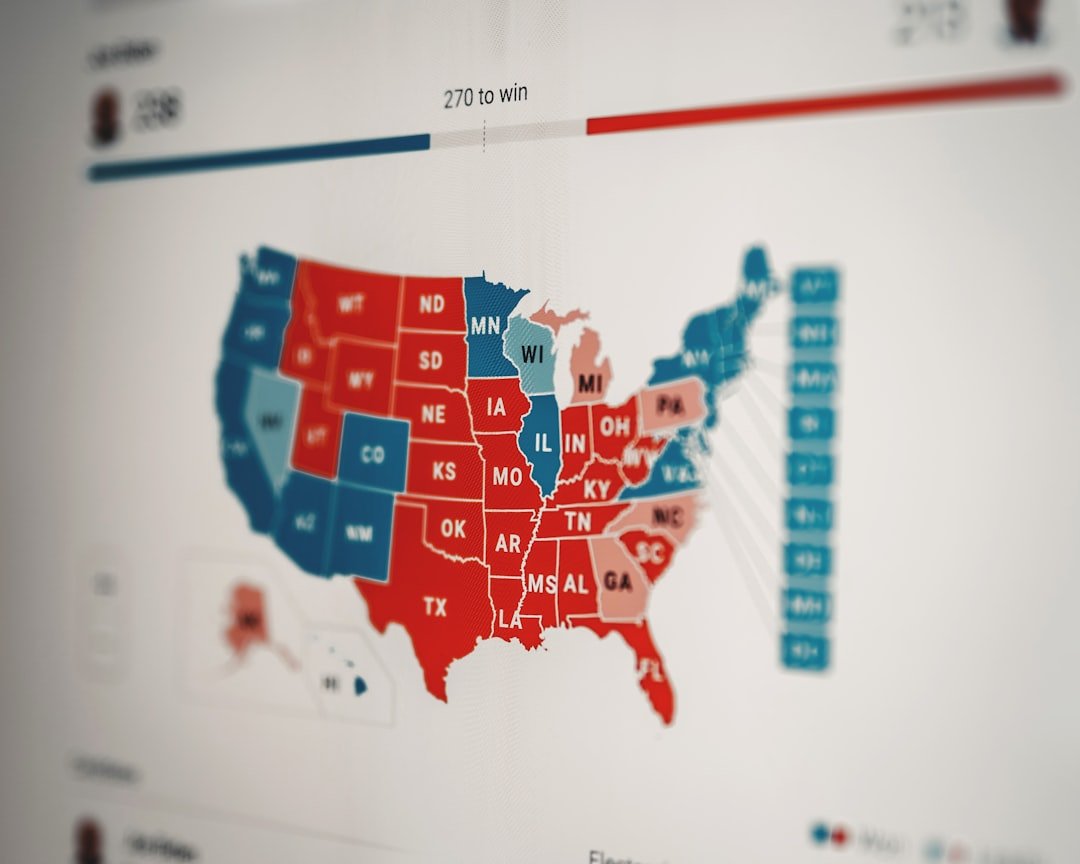
Photo by Clay Banks on Unsplash
How to Research Your State's Programs
To find the most current and complete information for your state:
- Visit your state HFA website directly. Search "[Your State] housing finance agency" to find the official site.
- Use the Down Payment Resource tool. This database tracks over 2,000 programs nationwide and can identify options based on your location and profile.
- Contact HFA-approved lenders. These lenders are trained on state programs and can explain current offerings, income limits, and qualification requirements.
- Check for recent program updates. Many states adjust programs annually or launch new initiatives—ensure you're seeing current information.
Common Mistakes to Avoid
First-time buyers frequently make costly mistakes when selecting and applying for loan programs. Avoiding these pitfalls can save you thousands of dollars and significant frustration.
Mistake #1: Only Considering One Loan Type
Many buyers fixate on FHA loans because they've heard they're "best for first-time buyers" without comparing alternatives. In reality, a conventional loan with 3% down might offer lower monthly payments due to reduced mortgage insurance costs. A VA loan (if eligible) provides even better terms. Always compare at least three program types before deciding.
The fix: Request loan estimates for FHA, conventional, and any government programs you qualify for. Compare total monthly payments and lifetime costs, not just interest rates.
Mistake #2: Ignoring State and Local Programs
The biggest money left on the table comes from buyers who don't know about—or don't pursue—state HFA programs and local assistance. These programs can provide $10,000-$50,000 in benefits, yet the majority of first-time buyers never apply.
The fix: Spend an hour researching your state HFA programs before choosing a lender. Ensure you work with a lender approved to offer these programs.
Mistake #3: Assuming You Won't Qualify
Buyers often self-select out of programs assuming they make too much money or their credit isn't good enough. Income limits for many programs extend to moderate earners, not just low-income households. And credit requirements have more flexibility than you might expect.
The fix: Check actual income limits and credit requirements rather than guessing. Many programs define eligibility based on Area Median Income, which can be surprisingly high in expensive markets.
Mistake #4: Not Understanding the True Cost of Mortgage Insurance
Mortgage insurance costs vary dramatically between loan types. FHA mortgage insurance remains for the life of the loan unless you refinance. Conventional PMI drops off automatically at 20% equity. This difference can cost tens of thousands over time.
The fix: Calculate total mortgage insurance costs over your expected ownership period, not just the monthly amount. Factor this into your loan comparison.
Mistake #5: Choosing Programs That Don't Match Your Timeline
Some assistance programs require extensive homebuyer education courses, have limited funding periods, or involve lengthy approval processes. In competitive markets, these delays can cost you the home.
The fix: Ask about timeline requirements upfront. If you're in a competitive market, prioritize programs that don't slow your ability to make strong offers.
Mistake #6: Forgetting About Closing Costs
Buyers focus on down payment and forget that closing costs typically add 2-5% of the purchase price. Some assistance programs cover both; others only help with down payment.
The fix: Confirm whether assistance programs include closing cost help. Budget for closing costs separately if they don't.
- Taking time to compare multiple loan programs saves thousands
- State HFA programs often stack with federal loan options
- Income limits extend higher than most buyers assume
- Many profession-specific programs offer exceptional benefits
- Down payment assistance can be combined with gift funds
- Rushing into the first loan offered costs money long-term
- Ignoring state programs leaves significant benefits unused
- Self-selecting out of programs without checking means missed opportunities
- Focusing only on down payment ignores closing cost needs
- Choosing slow-processing programs loses homes in competitive markets
Best Practices for Finding Your Perfect Match
Successfully matching yourself with the ideal first-time buyer loan requires strategic thinking and thorough preparation. These best practices will help you maximize your benefits and minimize your costs.
Work with HFA-Approved Lenders
Not every lender can offer state housing finance agency programs. HFA-approved lenders have completed training on state programs and can guide you through options a typical lender might not mention. When interviewing lenders, specifically ask: "Are you approved to offer [your state] HFA programs?"
These lenders often have dedicated teams familiar with the nuances of assistance programs, income calculations, and documentation requirements. Their expertise can mean the difference between a smooth approval and a frustrating rejection.
Complete Homebuyer Education Early
Many first-time buyer programs require homebuyer education courses. Rather than viewing this as an obstacle, complete your education early in the process. Benefits include:
- Better preparation: Quality courses cover budgeting, the purchase process, and homeownership responsibilities
- Unlocked programs: Some programs require education completion before application
- Potential rate reductions: Certain lenders offer lower rates for course completers
- Certificate validity: Most certificates remain valid for 12-24 months
HUD-approved counseling agencies offer free or low-cost education. Find options at HUD's housing counseling search.
Get Pre-Approved, Not Just Pre-Qualified
Pre-qualification gives a rough estimate of what you might afford. Pre-approval involves actual underwriting review of your finances, providing a much stronger position. When comparing loan programs, get pre-approved through your chosen path so you can make offers confidently.
For programs requiring income verification against AMI limits, pre-approval confirms you meet requirements before you fall in love with a home.
Time Your Application Strategically
Many state assistance programs operate with limited funding that depletes throughout the year. Some key timing considerations:
- Fiscal year cycles: Many programs receive new funding at the start of fiscal years (often July 1 or October 1)
- Application windows: Some programs only accept applications during specific periods
- Seasonal demand: Spring and summer see higher buyer activity, potentially depleting funds faster
- Processing times: State programs often require longer processing—start early
Contact your state HFA to understand their funding cycles and current program availability.
Document Everything Meticulously
Assistance programs often have stricter documentation requirements than standard loans. Prepare comprehensive records including:
- Two years of tax returns with all schedules
- Recent pay stubs covering 30+ days
- Bank statements from all accounts (60+ days)
- Gift letters with documentation of fund transfers
- Employment verification letters
- Explanations for any credit issues or employment gaps
Missing documentation is the most common cause of application delays. Organize your paperwork before applying.
Consider Long-Term Costs, Not Just Upfront Savings
The program offering the most down payment help isn't always the best overall value. Evaluate:
- Interest rate differences: A slightly higher rate costs more over time than a smaller assistance grant saves
- Mortgage insurance duration: FHA's lifetime MI vs. conventional's removable PMI
- Second mortgage terms: Some DPA programs have interest-accruing second mortgages that add significant costs
- Forgiveness conditions: Understand exactly what triggers repayment requirements
Create a spreadsheet comparing total costs over your expected ownership period—typically 7-10 years—rather than just first-year expenses.
-
Compare their experience with state programs and communication style
-
Finish before home shopping to unlock all program options
-
Ensures you actually qualify for your chosen program
-
Contact state HFA to confirm programs aren't depleted
-
Two years taxes, 60 days bank statements, employment verification
-
Compare long-term value, not just upfront assistance
-
Know exactly what happens if you sell, refinance, or rent the property
Special Programs for Specific Buyers
Beyond general first-time buyer programs, specialized options exist for buyers in specific professions, demographics, or situations. If you fall into one of these categories, you may access benefits unavailable to the general public.
Programs for Teachers and Education Professionals
Educators often qualify for special homebuying assistance, recognizing their community contribution and typically modest salaries:
- Teacher Next Door: Provides access to HUD homes at 50% discounts in revitalization areas
- State educator programs: Many states offer dedicated teacher assistance (California's Extra Credit Teacher Program, Florida's Hometown Heroes, Texas's Homes for Texas Heroes)
- Local school district partnerships: Some districts partner with lenders for reduced closing costs or rate reductions
Teachers should also investigate whether their school district offers any employer-assisted housing benefits, particularly in high-cost areas struggling to attract educators.
Programs for Healthcare Workers
The essential nature of healthcare work has prompted many assistance programs:
- State healthcare worker programs: Many states include nurses, doctors, and medical staff in "essential worker" housing initiatives
- Hospital system partnerships: Large healthcare employers sometimes offer housing assistance as an employment benefit
- Nurse Next Door: Similar to teacher programs, offering HUD home discounts
During and after the pandemic, several new programs emerged specifically for healthcare professionals—check your state HFA for current offerings.
Programs for First Responders
Police officers, firefighters, and EMTs frequently qualify for dedicated assistance:
- Homes for Heroes: National program offering rebates and reduced fees for first responders
- HUD Good Neighbor Next Door: 50% discount on HUD homes in revitalization areas for law enforcement officers
- State first responder programs: Programs like Florida's Hometown Heroes provide substantial down payment assistance
Many of these programs can stack with general first-time buyer assistance for maximum benefit.
Programs for Native American Buyers
Section 184 Indian Home Loan Guarantee Program offers unique benefits for Native American homebuyers:
- Low down payment (2.25% for loans over $50,000)
- No monthly mortgage insurance premium
- Flexible underwriting
- Available on and off tribal trust land
- Can finance new construction, existing homes, and rehabilitation
Tribal housing authorities may offer additional assistance programs specific to their nations.
Programs for Buyers with Disabilities
Homebuyers with disabilities may access additional resources:
- Fannie Mae HomeReady: Includes accessible housing features as eligible modifications
- State disability-specific programs: Some states offer enhanced assistance or modified property requirements
- Habitat for Humanity: Prioritizes accessible home construction for qualified families
- USDA 504 Home Repair Program: Provides funds for accessibility modifications (for existing homeowners, but relevant for planning)

Single Parent Programs
Single parents face unique homebuying challenges, and several programs specifically address these:
- HUD single-parent homebuyer programs: Some HUD initiatives prioritize single-parent households
- Habitat for Humanity: Many affiliates prioritize single-parent families for new home construction
- State-specific single parent assistance: Some states offer enhanced assistance for single-parent households
- Community land trusts: Often prioritize single parents for affordable homeownership opportunities
Single parents should also investigate whether their income calculation for assistance programs can exclude child support paid out, which may help meet income limits.
Frequently Asked Questions
Conclusion
Finding the right first time home buyer loan isn't about choosing the most popular option or following generic advice. It's about matching your unique financial profile, location, and circumstances to the programs specifically designed to benefit buyers like you.
The landscape of first-time buyer assistance is remarkably rich—from federal programs like FHA, VA, and USDA loans to state HFA offerings providing down payment assistance, below-market rates, and tax credits. Add in profession-specific programs, local municipality assistance, and employer benefits, and the potential savings can reach tens of thousands of dollars.
Your action plan from here is clear: assess your financial foundation, research your state's HFA programs, investigate any specialized programs you might qualify for, and connect with HFA-approved lenders who can guide you through the options. Take the time to compare programs properly—the effort invested in research pays dividends throughout your homeownership journey.
Remember, buying your first home is one of the most significant financial decisions you'll make. The right loan program doesn't just get you into a house; it sets you up for long-term financial success. Take advantage of every benefit available to you, and don't leave money on the table simply because you didn't know what programs existed.
Your path to homeownership is unique, and your loan should be too. Start your research today, and let the right first-time buyer program turn your homeownership dream into reality.
Ready to Find Your Perfect Loan Match?
Explore our state-by-state guides for detailed information on first-time buyer programs in your area, or use our loan comparison tools to see how different programs stack up for your situation.
Explore State Programs
Comments
No comments yet. Be the first to comment!
Leave a Comment