Introduction
The down payment. It's the single biggest roadblock standing between most first-time buyers and the keys to their new home. While the traditional advice of "save 20% of the purchase price" sounds straightforward, the reality is daunting—that's $60,000 on a $300,000 home.
But here's what the conventional wisdom doesn't tell you: you probably don't need anywhere close to 20% to buy your first home. In fact, there are dozens of programs, strategies, and creative approaches that can slash your down payment requirement dramatically—or even eliminate it entirely.
We've compiled seven proven down payment hacks that real first-time buyers are using right now to break into homeownership faster than they ever thought possible.
1. Tap Into State and Local Down Payment Assistance Programs
Every state in the U.S. offers some form of down payment assistance (DPA) for first-time home buyers, yet only 10% of eligible buyers actually use these programs. That's billions of dollars in free and low-cost assistance going unclaimed every year.
These programs come in several forms: outright grants that never need to be repaid, forgivable loans that disappear after you live in the home for a set period, and low-interest deferred loans where you don't make payments until you sell or refinance. Some programs offer $5,000; others provide up to $25,000 or more.
The catch? You need to know where to look. Start with your state's housing finance agency (HFA)—every state has one. Then check county and city programs, which often stack on top of state assistance. Many buyers qualify for multiple programs simultaneously, potentially covering their entire down payment.
-
Google '[Your State] Housing Finance Agency' for official programs
-
Many local governments offer additional DPA funds
-
Most programs have maximum income requirements
-
Many programs require a short course to qualify
2. Ask Your Employer About Housing Benefits
Employer-assisted housing (EAH) programs are one of the best-kept secrets in the home buying world. Major employers including Amazon, Google, Boeing, and hundreds of hospitals, universities, and financial institutions offer down payment assistance as an employee benefit.
These programs typically provide forgivable loans ranging from $2,500 to $15,000, though some employers offer significantly more. Teachers, nurses, first responders, and government employees often have access to profession-specific programs as well. The HUD Good Neighbor Next Door program, for instance, offers 50% discounts on home prices for qualifying public servants in revitalization areas.
Even if your employer doesn't have a formal program, it never hurts to ask HR. Some companies will create assistance on a case-by-case basis, especially if they're trying to attract talent to expensive housing markets.
I had no idea my hospital offered $10,000 in down payment assistance until a coworker mentioned it at lunch. That money, combined with an FHA loan, got me into my first home with less than $5,000 out of pocket.
3. Consider an FHA Loan with Gift Funds
FHA loans require just 3.5% down with a credit score of 580 or higher—and here's the game-changer: 100% of that down payment can come from gift funds. That means family members, close friends, employers, or even charitable organizations can give you the entire amount.
The key word is "gift." The money cannot be a loan that you're expected to repay. Your lender will require a gift letter confirming the funds are a genuine gift with no repayment obligation. The donor will also need to provide documentation showing the source of the funds.
Conventional loans also allow gift funds, though requirements vary by lender and loan-to-value ratio. Some conventional programs require you to contribute at least 5% from your own funds, while others allow 100% gift money. An experienced loan officer can help you find the most flexible option for your situation.
| Feature | FHA Loan | Conventional Loan |
|---|---|---|
| Minimum Down Payment | 3.5% | 3% |
| 100% Gift Funds Allowed | Yes | Varies by lender |
| Minimum Credit Score | 580 | 620 |
| Mortgage Insurance | Required | Removable at 20% equity |
4. Automate Your Savings with Round-Up Apps
If you're still building your down payment fund, micro-saving apps can accelerate your progress without requiring major lifestyle changes. Apps like Acorns, Chime, and Qapital automatically round up your purchases to the nearest dollar and deposit the difference into savings.
Spend $4.50 on coffee? That's 50 cents toward your down payment. Over a year of normal spending, these round-ups typically add $500-$1,500 to your savings without any conscious effort. Some apps let you set additional rules, like saving $5 every time you skip the gym or transferring a percentage of each paycheck automatically.
The real power comes from combining automation with intentionality. Set up automatic transfers on payday before you have a chance to spend the money. Even $200 per month adds up to $2,400 per year—and that's before any investment returns or employer matching if you're using a workplace savings program.
5. Withdraw from Your IRA Penalty-Free
First-time home buyers can withdraw up to $10,000 from a traditional IRA without paying the usual 10% early withdrawal penalty. If you're married and both spouses are first-time buyers, you can each withdraw $10,000 for a combined $20,000.
With a Roth IRA, you can withdraw your contributions (not earnings) at any time without penalty or taxes since you've already paid taxes on that money. After five years of having the account, you can also withdraw up to $10,000 in earnings penalty-free for a first home purchase.
A word of caution: just because you can raid your retirement accounts doesn't always mean you should. Consider the long-term cost of lost compound growth before tapping these funds. However, if you've exhausted other options and homeownership is a priority, this strategy can provide a significant boost to your down payment.
- Up to $10,000 penalty-free from traditional IRA
- Roth IRA contributions always accessible
- Can help bridge a down payment gap quickly
- Traditional IRA withdrawals still taxed as income
- Reduces retirement savings and compound growth
- $10,000 lifetime limit for this exemption
6. Explore Zero-Down Loan Programs
What if you didn't need a down payment at all? Two major loan programs make this possible for qualifying buyers.
VA Loans are available to veterans, active-duty service members, and eligible surviving spouses. These loans require zero down payment, have no private mortgage insurance requirement, and typically offer the most competitive interest rates available. If you've served in the military, this is almost certainly your best path to homeownership.
USDA Loans offer zero down payment for buyers purchasing in designated rural and suburban areas—and "rural" is more broadly defined than you might think. Many areas just outside major metros qualify. Income limits apply, but they're often higher than expected, especially for larger households.
Both programs have specific eligibility requirements, but if you qualify, you could buy a home with nothing more than closing costs out of pocket—and those can often be negotiated with the seller or covered by lender credits.
7. Negotiate Seller Concessions for Closing Costs
Here's a strategy that indirectly boosts your down payment: ask the seller to cover your closing costs. While the seller can't directly contribute to your down payment (that would raise red flags for lenders), they can pay for closing costs—which means more of your savings can go toward the down payment itself.
Seller concessions typically range from 2-6% of the purchase price depending on your loan type and down payment amount. On a $300,000 home, that's $6,000-$18,000 in costs you won't need to bring to closing.
In a buyer's market or with motivated sellers, these concessions are easier to negotiate. Even in competitive markets, you might offer slightly above asking price in exchange for closing cost assistance—the seller gets the same net proceeds, and you preserve your cash reserves.
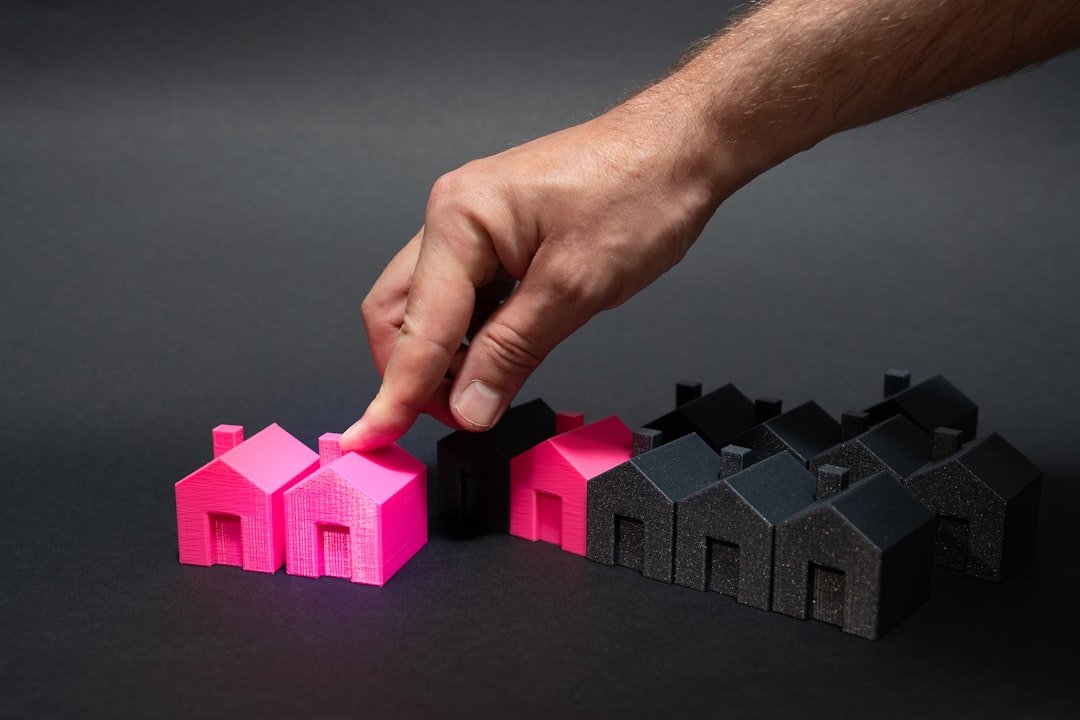
Photo by Jakub Żerdzicki on Unsplash
Bonus: Stack Multiple Strategies Together
The real magic happens when you combine several of these strategies. Consider this scenario:
- State DPA grant: $7,500
- Employer assistance program: $5,000
- Gift from parents: $5,000
- Your savings (with round-up apps): $3,000
- Total: $20,500
Add seller concessions covering closing costs, and you've just purchased a home while keeping a healthy emergency fund in the bank. This isn't a hypothetical—it's exactly how thousands of first-time buyers are making homeownership work, even in today's market.
Conclusion
The 20% down payment "rule" is a myth that keeps too many first-time buyers on the sidelines. With the right combination of assistance programs, loan products, and savings strategies, you can become a homeowner far sooner than traditional advice suggests.
Your next step? Start researching the programs available in your state and check with your employer about housing benefits. You might be surprised how much help is waiting for you—you just need to ask.
For a complete walkthrough of the entire home buying process, check out our First-Time Home Buyer's Complete Guide, where we cover everything from getting pre-approved to closing day and beyond.
Ready to Find Your Down Payment Assistance?
Use our free DPA finder tool to discover programs you qualify for in your state. Most buyers are eligible for more assistance than they realize.
Find DPA Programs
Comments
No comments yet. Be the first to comment!
Leave a Comment